
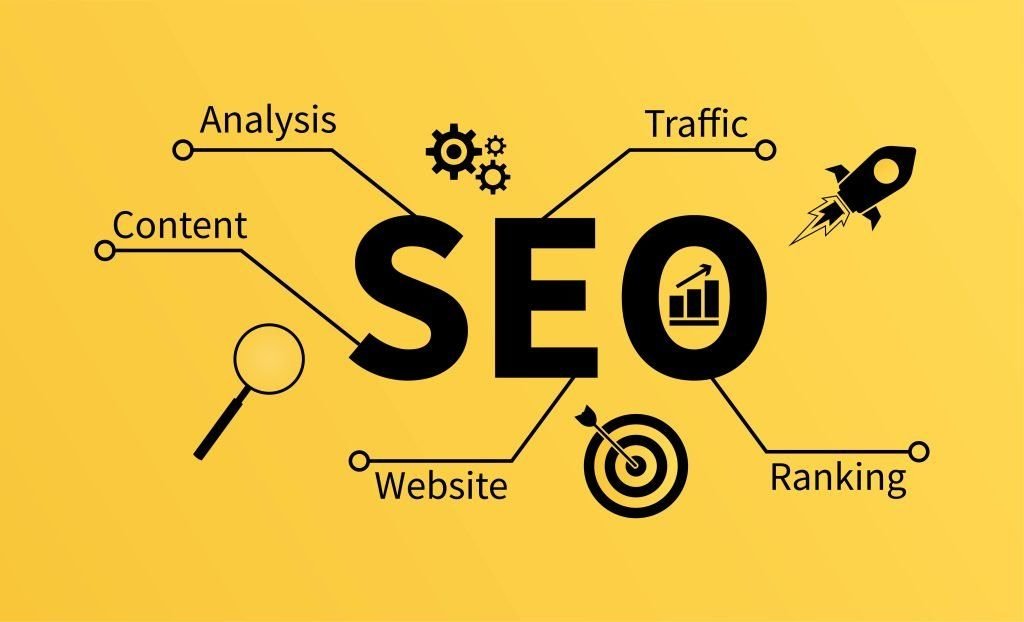
Search Engine Optimization (SEO) is the practice of improving a website so it ranks higher on search engines like Google. The goal is simple: when people search for something related to your business, your website should appear at the top. Basic SEO includes using the right keywords, creating helpful content, optimizing page speed, and earning backlinks from other websites. A data-driven SEO strategy starts with understanding your competitors, so explore this guide on Competitor SEO Analysis.
Traditionally, SEO relied a lot on guesswork—choosing keywords based on intuition or copying competitors. But today, data-driven SEO has completely changed the game.
Data-driven SEO uses real data—like search trends, user behavior, and performance metrics—to make smarter decisions. Instead of guessing what works, you rely on tools and analytics to guide your strategy.
For example, instead of targeting a broad keyword like “fitness tips,” data might show that “home workouts for beginners” has lower competition and steady search demand. By focusing on that, you can rank faster and attract the right audience. The right AI SEO tools can help you analyze keywords, competitors, and content more efficiently.
Another example is analyzing user behavior. If data shows that visitors leave your page quickly (high bounce rate), it may mean your content isn’t engaging or relevant. You can then improve readability, add visuals, or better match search intent.
Here are a few simple pointers to apply data-driven SEO:
- Use keyword research tools: Platforms like Google Keyword Planner or Ahrefs help you find what people are actually searching for.
- Track performance: Monitor metrics like traffic, click-through rates, and rankings using tools like Google Analytics and Search Console.
- Focus on search intent: Understand why users are searching—are they looking for information, products, or solutions?
- Update content regularly: Data can show which pages are losing traffic, so you can refresh them with new information.
- Test and improve: Try different headlines, formats, or keywords and see what performs best.
In short, data-driven SEO removes the guesswork and replaces it with clarity. It helps you create content that people actually want, improve user experience, and stay ahead of competitors. In today’s competitive digital world, using data isn’t optional—it’s the key to winning the search game. Learn practical SEO, keyword research, competitor analysis, and AI-powered marketing with the Digital Marketing Courses in Andheri.