
In today’s digital landscape, businesses can no longer rely on traditional marketing alone. The powerful combination of social media and search engine optimization (SEO) is transforming how brands attract, engage, and convert customers. Using the right AI SEO tools can improve your search rankings while supporting your overall digital marketing strategy.
Social media platforms like Instagram, LinkedIn, and Facebook help businesses build visibility and connect directly with their audience. Meanwhile, SEO ensures that your website ranks higher on search engines, bringing in organic traffic. When used together, these strategies amplify each other’s impact. Learn practical SEO, social media marketing, and Google Ads with the Digital Marketing Courses in Andheri.
📊 Traffic Growth Comparison
| Channel | Short-Term Results | Long-Term Results |
|---|---|---|
| Social Media | High | Medium |
| SEO | Low | High |
| Combined Strategy | Very High | Very High |
Social media generates immediate attention through posts, reels, and ads. For example, a small clothing brand posting viral reels can gain thousands of followers overnight. However, SEO builds sustainable growth. A well-optimized blog post can continue attracting visitors for months or even years.
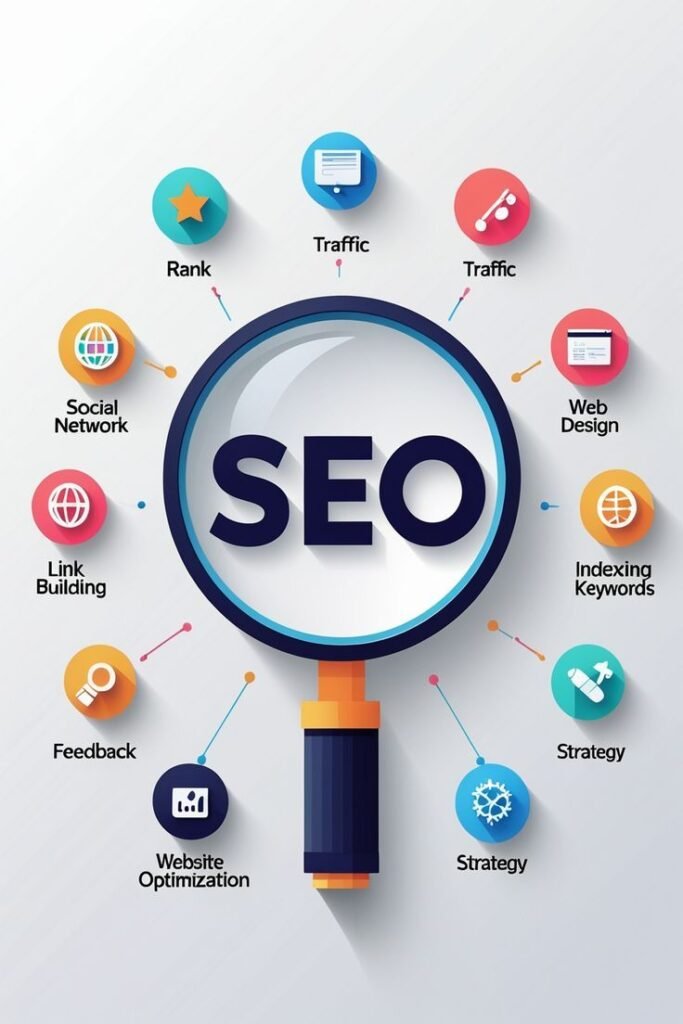
📈 Example Strategy
- A business publishes a blog optimized for keywords (SEO).
- The same content is shared across social media platforms.
- Users engage, share, and visit the website.
- Increased traffic signals improve search rankings further.
📊 Lead Conversion Funnel
Social Media → Website Visit → SEO Content → Trust Building → Conversion
For instance, a digital marketing agency might write an SEO blog on “best marketing strategies” and promote it via LinkedIn posts. This drives targeted traffic, improves rankings, and generates qualified leads.
Key Benefits
- Increased brand awareness
- Higher website traffic
- Better lead generation
- Improved customer engagement
In conclusion, integrating social media with SEO creates a powerful growth engine. Businesses that align both strategies not only gain visibility but also build lasting relationships with their audience—leading to consistent and scalable growth. Discover how AI is transforming both SEO and social media marketing in this guide on AI in Digital Marketing.